WineOnline - Wired for WineTelephone Hotlines: +353-1-8867732   +353-1-8624268
 
 Special Promotions


basket

price
country
style
new
winery
vineyard
winemaking
varietals
cellar
charts
keep
store
kitchen
pairing
serving
tasting
library
atlas
glossary
news

Index of Grape Varieties
Airen
The most widely grown white grape in Spain, where it accounts for over 30 per cent of Spanish wine production primarily in the central 'La Mancha' region. Used not only for producing varietal whites but also as a blending grape for the more beefy reds of the Valdepenas region.
Aligoté
The second white grape of Burgundy and very much the 'poor relation' of Chardonnay. Originally used as a blending wine with Chardonnay, it is now producing some interesting varietal wines thanks to stainless steel fermentation and modern vinification methods. Somewhat tart and acidic, it is considered the ideal base wine for the French aperitif, Kir.
Baga
Widely planted red grape of Portugal notably in the Bairrada region. It gives dense colour and extract, is thick skinned and prolific. Not noted for fine wine production.
Barbera
Italy's most common red grape originally from the Piedmont region of the NorthWest but now grown throughout the South. Has grown in popularity outside Italy notably in California and Argentina. Vigorous, high yielding grape that grows well in poor soils. Produces wines of good extract and colour without the harsh tannins of its neighbour, Nebbiolo.
Cabernet Franc
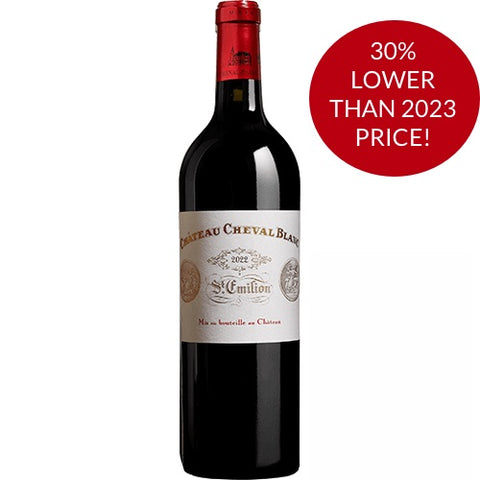
One of the principal red grapes of Bordeaux, particularly St-Emilion, and also the dominant red varietal of the Loire Valley. Generally more stalky and greener than its noble partner Cabernet Sauvignon, it performs well in cooler regions, is resistant to disease and survives well in heavier clay soils. It provides a useful 'insurance policy' for the Bordelaise vignerons in cooler vintages. It is the primary varietal in the top Premier Grand Cru Classé, St-Emilion - 'Château Cheval Blanc. Now planted throughout Italy and in Chile as well as Australia's Clare Valley.
Cabernet Sauvignon
The classic grape of Bordeaux and the dominant variety in all the top growths of the Medoc. A most fashionable varietal, sought the world over and synonymous with rich blackcurrant concentration, cassis and cedarwood. It is a small grape, giving very deep colour and extract, quite resistant to disease and capable of producing wines of great longevity, elegance and structure. It is grown throughout the winemaking world as both a single varietal and a blending grape, where it imparts a classic quality to many local indigenous varieties. It has been particularly successful in Australia, California and South America where the long, warm ripening season and diverse soils realise the grape's true potentials. It has a natural affinity with oak, which imparts the wonderful cedar and 'cigar box' attributes for which the grape is famous.
Carignan
Most popular red grape variety grown in the Languedoc-Roussillon* region of France. Used as a blend, where it can account for as much as 60% of the cépage, it is late ripening, resistant to spring frosts, tolerant of heat and gives high tannin, extract and colour. Now popular in California and South America as well as Northern Spain, where it is known as 'Cariñena'.
Chardonnay
The classic white varietal of Burgundy and perhaps the best known and loved white varietal in the world. It is vigorous, easy to grow but susceptible to spring frosts as witnessed regularly by the vigernons of Chablis. It grows well in cooler climates but can lose acidity if picked late, especially in warmer regions such as Australia and California. Its typical varietal characteristics are honeyed, tropical fruit flavours with toasty, buttery nuances. It ages well and is totally at home with oak, which imparts those delicious vanilla and butterscotch tones so beloved of Burgundy drinkers. Its diversity of style can perhaps account for some of its worldwide appeal.
Chenin Blanc
Classic white varietal of France's Loire Valley and now grown throughout the world. Known for its rather unusual 'wet-wool', 'damp straw' aromas, it tends to be more floral than fruity when young and gives high acidity, growing well in marginal climates. It ages well and its susceptibility to 'botrytis'* produces some of the great sweet wines of the Loire, for example Quarts de Chaume and Vouvray. It is grown widely in South Africa where it is known as 'Steen'.
Cinsaut
Sometimes spelt Cinsault, this red variety is a popular constituent of the wines of Southern France, notably Châteauneuf-du-Pape and the Midi. It is an early ripener, gives intense colour and flavour and can withstand very hot climates. It is one of the blending grapes of the South African 'Pinotage' where it is known as 'Hermitage' after the Northern Rhône region - why? nobody knows, as Cinsaut is neither used nor permitted in this region of France.
WineOnline Winery / Varietal Index
Overview | A-C | D-N | O-Z
 
Overview

Airen
Aligoté

Baga
Barbera

Cabernet Franc
Cabernet Sauvignon
Carignan
Chardonnay
Chenin Blanc
Cinsaut

Dolcetto

Gamay
Gewurztraminer
Grenache

Lambrusco

Malbec
Marsanne
Merlot
Muscat

Nebbiolo

Pinotage
Pinot Blanc
Pinot Gris
Pinot Noir

Riesling

Sangiovese
Sauvignon Blanc
Sémillon
Syrah (or Shiraz)

Tempranillo

Viognier

Zinfandel

Telephone Hotlines: +353-1-8867732   +353-1-8624268
 

Home | Contact Us | About | Feedback | Join our Club | Free Newsletter | Help Desk

web development and programming by xsdnet - contact info@xsdnet.com